The global labor landscape is undergoing a massive, structural transformation. Driven by the rapid rise of automation, artificial intelligence, and evolving economic pressures, the skills required to keep businesses competitive are shifting faster than traditional education pipelines can adapt.
Faced with a persistent talent shortage, forward-thinking corporate executives are abandoning the old strategy of simply searching for the perfect external candidate. Instead, a major shift is underway: business leaders are heavily investing in workforce development and internal training programs to build their future workforce from within.
1. Bridging the Technical and Digital Skills Gap
Technology is advancing at an exponential rate, making technical skills obsolete faster than ever before. Waiting for universities to graduate students with newly required skills creates a dangerous operational lag for companies.
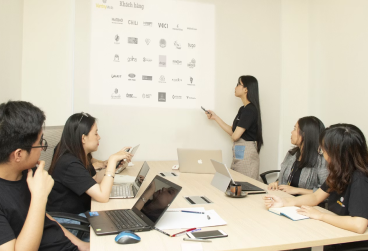
- Proactive Upskilling: Forward-thinking companies are partnering with tech platforms and educational institutions to create custom learning pathways. Employees learn cloud architecture, data analytics, and AI prompt engineering directly on the job.
- Continuous Reskilling: Rather than laying off workers whose jobs are threatened by automation, companies are retraining them for adjacent, higher-value roles. This preserves institutional knowledge while filling critical tech vacancies.
2. Maximizing Talent Retention and Loyalty
Replacing a highly skilled employee is remarkably expensive. When you account for recruiting fees, onboarding time, and lost productivity, losing a worker can cost a business up to double that employee’s annual salary.
Workforce development acts as a powerful retention tool. Today’s professionals—particularly Millennials and Gen Z—deeply prioritize career growth. When executives invest in clear mentorship paths and fully fund certification courses, employees feel valued and see a viable future within the company. This structural investment builds a strong culture of loyalty, drastically driving down costly turnover rates.
3. Boosting Operational Productivity and Innovation
An undertrained workforce naturally leads to operational bottlenecks, customer service errors, and missed market opportunities. Conversely, continuous corporate training directly drives bottom-line efficiency.
[Targeted Employee Training]
              │
              ▼
[Fewer Operational Errors & Faster Execution]
              │
              ▼
[Confidence to Propose Innovative Ideas]
              │
              ▼
[Increased Agility and Market Competitiveness]
Well-trained teams work faster, make fewer costly errors, and require less managerial oversight. Furthermore, when workers are confident in their foundational capabilities, they are far more likely to innovate. They propose creative solutions, optimize existing workflows, and help the company stay agile in a volatile marketplace.
4. Cultivating Next-Generation Leadership
The ultimate long-term benefit of workforce development is robust succession planning. A company that does not train its staff will eventually face a severe leadership crisis at the executive level.
By identifying high-potential employees early and enrolling them in comprehensive management tracks, businesses intentionally build a deep leadership bench. These internal training programs focus heavily on critical “soft skills” like strategic communication, emotional intelligence, and crisis management. When senior executives eventually retire, the company can seamlessly promote internal leaders who already understand the company’s culture, vision, and core operations.
Ultimately, investing in workforce development is no longer just a human resources initiative or a corporate social responsibility checkbox. It has become a core, indispensable business strategy. The organizations that win the future will be the ones that recognize their workforce is not a static expense to be managed, but a dynamic asset to be developed.