
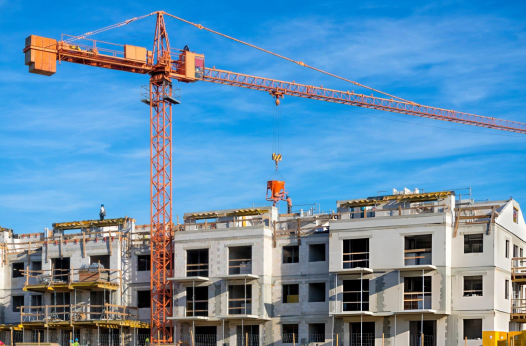
he landscape of our city is on the verge of a historic transformation. Following months of passionate community debates, environmental assessments, and financial planning, the City Council has officially voted to approve the Downtown Revitalization Project. This massive urban renewal initiative represents the largest public-private investment in the municipality’s modern history. By re-engineering aging infrastructure, expanding green public spaces, and incentivising local commerce, the project aims to transform a declining commercial center into a vibrant, pedestrian-first district where residents can live, work, and gather.
Pedestrian First Infrastructure and Green Corridors
The core philosophy driving the revitalization plan is a complete departure from car-centric urban design. For decades, the downtown core has suffered from heavy traffic gridlock, high emissions, and fractured walkways. The newly approved plan aims to reclaim these asphalt spaces for the community.
Several major commercial avenues will be completely permanently closed to personal vehicular traffic, transforming them into wide, tree-lined pedestrian promenades. These walkways will feature expansive bike lanes, modern outdoor seating areas, and native landscaping designed to naturally absorb stormwater runoff. Furthermore, the project will establish a series of “green corridors”—continuous urban linear parks that connect disconnected neighborhood neighborhoods directly to the waterfront and the central transit hub. This infrastructure layout ensures that walking or cycling through the city center is not only safer and healthier but fundamentally more convenient than driving.
Boosting Local Commerce and Affordable Housing
A successful downtown cannot rely on aesthetics alone; it requires a resilient economic foundation. The City Council’s approved framework includes aggressive financial incentives aimed at reviving small businesses, local artisans, and independent restaurateurs who were previously priced out of the district. [1, 2]
The plan introduces mixed-use zoning laws across the entire revitalization zone. The ground floors of all newly constructed and renovated buildings will be strictly reserved for retail, dining, and community services, while the upper levels will be dedicated to residential housing. Crucially, the Council has mandated that a significant percentage of all new residential units must be permanently designated as affordable housing. This policy ensures that workforce individuals—such as teachers, emergency responders, and service workers—can actually afford to live in the vibrant urban center they help support, preventing the displacement often caused by rapid gentrification. [1, 2, 3]
Preserving Historic Character While Embracing the Future
One of the most contentious aspects of the initial proposal was the fear that modern development would erase the unique architectural history of our city. To address this, the final approved plan includes strict historic preservation mandates.
Rather than tearing down vacant mid-century warehouses and historic brick storefronts, the project heavily prioritizes adaptive reuse. These historic structures will be structurally reinforced and converted into modern indoor community markets, startup incubators, and cultural art spaces. By blending the historic texture of the original brickwork with state-of-the-art energy systems, solar roofing, and smart lighting, the city is creating a unique architectural identity that honors its past while actively reducing its carbon footprint. [1]
A Unified Hub for Culture and Community
Beyond business and transit, the revitalization project aims to restore the downtown core as the true cultural heartbeat of the region. The crown jewel of the initiative will be a massive, multi-purpose public plaza constructed at the center of the district.
This open-air plaza will feature a permanent amphitheater designed to host weekend festivals, farmers’ markets, local theater productions, and community rallies. Surrounding the plaza will be interactive public art installations created exclusively by regional artists. By creating an open, accessible, and beautiful space that costs absolutely nothing to enter, the city is providing a neutral ground where diverse populations can cross paths, interact, and build a cohesive social fabric. Construction is scheduled to break ground early next quarter, kicking off a multi-year phased rollout that promises to redefine our collective urban future. [1, 2, 3]