
Modern healthcare is undergoing a major shift. For decades, the primary focus of medicine has been reactive—treating illnesses after they occur. Today, individuals and local governments are realizing that the most effective way to build a healthy society is through proactive, collective prevention.
Community wellness programs are rapidly gaining popularity across towns and cities worldwide. These initiatives move health out of the sterile clinic environment and bring it directly into the neighborhoods where people live, work, and play. By combining social connection with accessible health resources, these programs are proving that wellness is truly better achieved together.
1. Shifting from Individual Isolation to Collective Health
In the past, fitness and nutrition were viewed as strictly personal responsibilities. People bought gym memberships or downloaded tracking apps to manage their health in isolation. However, this individualistic approach often leads to burnout, lack of motivation, and a sense of loneliness.
Community wellness programs solve this problem by leveraging the power of social accountability:
- Shared Motivation: Group environments naturally push participants to stay consistent with their fitness goals.
- Mental Well-being: Regular social interactions during community events actively combat the modern epidemic of loneliness and social isolation.
When people exercise, cook, or meditate together, health stops feeling like an exhausting chore and transforms into a positive, shared lifestyle.
2. Breaking Down Economic Barriers to Healthcare
Traditional wellness resources—such as boutique fitness studios, organic grocery stores, and private nutrition coaches—carry high price tags. This economic barrier often prevents low-income families and busy working households from prioritizing their physical well-being.
Grassroots community programs directly democratize health by offering high-utility, free, or low-cost alternatives:
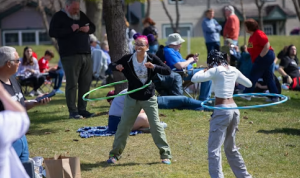
- Public Fitness Classes: Cities are organizing free yoga, Zumba, and calisthenics sessions in local parks and public squares.
- Mobile Health Clinics: Neighborhood vans provide free blood pressure screenings, diabetes checks, and preventative education without requiring a doctor’s appointment.
By removing financial and geographical barriers, these programs ensure that baseline preventative healthcare is available to everyone, regardless of income level.
3. The Power of Food Cooperatives and Community Gardens
Nutrition is the foundation of long-term health, yet many urban neighborhoods suffer from a lack of access to fresh, affordable ingredients. To fight this issue, community wellness initiatives are investing heavily in local food systems.
Urban community gardens allow residents to grow their own fresh produce collectively. These spaces serve as outdoor classrooms where families learn how to cultivate vegetables, understand seasonal nutrition, and cook balanced meals.
Additionally, neighborhood food cooperatives partner directly with local farms to distribute affordable produce boxes. These programs eliminate the middleman, making fresh fruits and vegetables cheaper than processed convenience foods.
4. Holistic Wellness: Integrating Mental and Physical Health
Modern community programs understand that true health extends far beyond physical fitness. As a result, they are integrating mental health support directly into their weekly schedules.
Local libraries, community centers, and parks now host guided group meditation, stress-management workshops, and open-circle mental health discussions. These casual, stigma-free environments allow neighbors to discuss shared stressors—like financial pressure, parenting challenges, or workplace burnout. By normalizing mental health care alongside physical exercise, communities build psychological resilience that helps residents handle daily life challenges more effectively.
5. How to Launch a Wellness Initiative in Your Neighborhood
You do not need a massive government budget to foster a healthier community. You can start small by launching a high-utility, grassroots initiative this week:
- Start a Walking Club: Pick a consistent time every weekend to meet at a local park for a 30-minute group walk.
- Organize a Skill Share: Host a casual evening meetup where a neighbor shares a healthy cooking technique or a basic fitness routine.
- Utilize Digital Spaces: Create a local social media group or neighborhood group chat to share healthy recipes, workout challenges, and positive encouragement.