
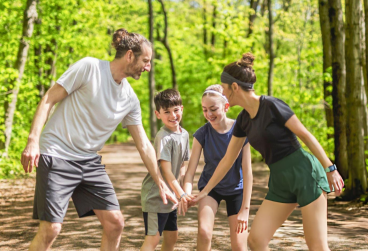
In an era dominated by digital entertainment and packed schedules, a refreshing shift is happening right in our neighborhoods. Families are stepping away from their screens, closing their laptops, and heading outside. Local parks and recreational spaces are experiencing a massive resurgence as parents and children seek out shared experiences in nature. This movement back to public green spaces is rewriting the script on modern family bonding, proving that the simplest environments often offer the richest rewards for health, happiness, and connection.
Disconnecting to Reconnect
The modern household is saturated with technology. Between remote work, online schooling, and streaming services, the line between digital life and real-world interaction has blurred. This constant connectivity has led to widespread digital fatigue, prompting parents to look for meaningful ways to unplug. Community parks provide the perfect antidote to screen saturation.
When families step into a park, the lack of digital distractions forces a change in pace. Instead of texting or scrolling, parents are engaging in face-to-face conversations with their children. Kids, free from the structured confines of indoor play, get to exercise their imaginations in open spaces. Whether it is kicking a soccer ball, climbing a playground structure, or exploring a wooded trail, outdoor recreation encourages presence. This intentional disconnection from devices allows families to truly reconnect with one another, building stronger emotional bonds through shared physical activities.
Inclusive Spaces Designed for Every Generation
One major reason families are spending more time at local parks is the incredible evolution of modern park design. The days of a public park consisting merely of a rusty swing set and a patch of patchy grass are long gone. Today, municipalities are investing heavily in multi-generational recreational hubs designed to appeal to everyone from toddlers to grandparents.
Modern parks now feature inclusive playgrounds where children of all physical abilities can play side by side. Alongside traditional play areas, communities are introducing splash pads for hot summer days, dedicated dog parks for four-legged family members, and paved walking loops perfect for strollers and senior citizens alike. The explosion of accessible sports facilities, such as pickleball and basketball courts, means teenagers and parents can stay active together. By offering diverse activities in a single location, parks have become all-in-one destinations where an entire family can spend an entire afternoon without anyone getting bored.
High-Value, Free Entertainment
As the cost of living and commercial entertainment continues to rise, families are looking for budget-friendly alternatives to keep children engaged. Going to the movies, visiting theme parks, or dining out can quickly strain a household budget. In contrast, community parks offer a premium experience entirely for free.
Public recreational spaces democratize leisure. They provide an open invitation to pack a picnic blanket, grab a few sandwiches from home, and enjoy hours of entertainment without spending a single rupee. Many local recreation departments have also expanded their programming to include free community events. Summer movie nights on the lawn, live local music in the amphitheatre, and seasonal festivals give families a reason to visit their local parks during evenings and weekends. This financial accessibility ensures that every family, regardless of income, has a safe and beautiful space to make lasting memories.
Building a Support Network of Neighbors
Human beings are wired for community, yet modern lifestyles can sometimes feel isolating. Spending time in community parks naturally breaks down these social barriers. When families frequent their local playgrounds, they quickly find themselves interacting with other families who live just down the street.
Parks act as natural social mixers. While children negotiate the rules of a pickup game or take turns on the slide, parents sit on nearby benches and strike up conversations. These casual interactions frequently blossom into deep friendships, playgroups, and neighborhood support systems. For young children, park play teaches vital social skills like sharing, empathy, and teamwork with peers from diverse backgrounds. By transforming strangers into neighbors, public parks serve as the literal anchors of a supportive community.
Investing in Long-Term Well-Being
The long-term benefits of this trend extend far beyond weekend fun. Regular exposure to green spaces lowers stress levels, improves cardiovascular health, and boosts mental clarity for both adults and children. By making park visits a regular habit, parents are instilling a lifelong appreciation for nature and physical activity in their children. As families continue to prioritize these vibrant public spaces, they are not just filling their free time—they are actively building happier, healthier, and more tightly-knit communities for the future.