
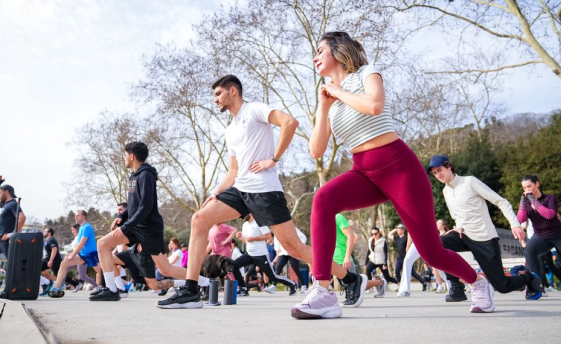
The modern world is currently experiencing a profound shift in how people view wellness. No longer confined to the walls of local gyms or restricted to strict dietary regimens, health has broken out into the mainstream. Today, a powerful wave of healthy living trends is fundamentally reshaping our neighborhoods, towns, and cities. From community-driven fitness initiatives to urban planning choices that prioritize pedestrians, these movements do much more than alter individual habits. They are actively transforming fragmented neighborhoods into vibrant, connected, and highly energetic communities.
The Rise of Shared Fitness Spaces
One of the most noticeable trends in modern wellness is the democratization of exercise. For decades, staying fit often required expensive gym memberships or specialized equipment. Today, however, the trend focuses heavily on accessible, community-based movement. Free outdoor fitness parks are popping up in public spaces worldwide.
Furthermore, grass-roots social fitness clubs are replacing solitary workouts. Weekly run clubs, community yoga sessions in local parks, and weekend cycling groups are surging in popularity. These activities remove financial barriers to physical activity, making a healthy lifestyle attainable for everyone. More importantly, they provide crucial social infrastructure. When people exercise together in public spaces, they form tight bonds, reduce social isolation, and create an encouraging network that keeps members accountable and motivated.
Nutritional Awareness and Local Food Systems
Healthy living is deeply tied to what we eat, and current nutritional trends emphasize fresh, whole, and sustainably sourced ingredients. This collective dietary shift has sparked a massive revival in local food ecosystems. Farmers’ markets have transformed from occasional weekend novelties into essential neighborhood hubs.
In tandem with markets, urban community gardens are converting vacant city lots into productive green spaces. These gardens do far more than supply fresh produce to areas that might otherwise lack access to healthy food options. They serve as outdoor classrooms where generations connect. Seniors pass down agricultural knowledge to younger children, and neighbors work side by side pulling weeds and harvesting vegetables. By taking control of local food production, communities build resilience, improve physical health, and foster a shared sense of pride.
Active Urban Design and Micro-Mobility
Our physical spaces dictate daily movement. Recognizing this, forward-thinking urban planners are embracing design concepts that naturally integrate physical activity into everyday routines. The “15-minute city” model—where daily essentials like groceries, schools, and workplaces are within a short walk or bike ride—is rapidly gaining traction globally.
Cities are investing heavily in protected bike lanes, wider pedestrian walkways, and expansive greenways. The surge in micro-mobility options, such as electric bikes and scooters, has further reduced reliance on personal cars for short trips. When an environment makes walking or cycling safer and more convenient than driving, people naturally move more. This shift not only slashes local carbon emissions and decreases traffic congestion but also ensures that physical activity becomes an effortless byproduct of daily life rather than an obligation.
Mental Wellness and Inclusive Green Infrastructure
True health is holistic, blending physical vitality with mental and emotional well-being. Modern healthy living trends place an immense value on mental health, resulting in a newfound appreciation for natural green infrastructure. Access to parks, forests, and waterfronts is now recognized as a fundamental public health necessity rather than a luxury.
Spending time in nature significantly lowers cortisol levels, reduces anxiety, and boosts cognitive function. Communities that actively restore urban canopies, build pocket parks, and maintain walking trails give residents a vital escape from the stresses of modern digital life. These green spaces act as neutral meeting grounds where diverse populations mingle, children play, and neighbors converse, drastically strengthening the local social fabric.
Looking Ahead to a Healthier Collective Future
The momentum behind these healthy living trends indicates a permanent shift in societal values. When individuals choose to prioritize wellness, their choices ripple outward, forcing cities, businesses, and local governments to adapt. The result is a highly beneficial cycle where healthier citizens demand better environments, and better environments foster even healthier habits. By continuing to support local food systems, advocating for pedestrian-first infrastructure, and participating in group activities, we can ensure our communities remain vibrant, resilient, and active for generations to come.