
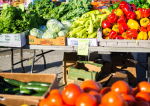
The alarm clock is replaced by the morning sun, and instead of rushing through a frantic weekday commute, thousands of residents step outside with a reusable canvas bag in hand. Their destination? The local farmers market. Over the last few years, a remarkable cultural shift has taken place. Weekend markets are no longer just places to cross groceries off a list; they have evolved into premier weekend destinations, drawing crowds that rival major local festivals and shopping districts.
From young families and foodies to tourists seeking an authentic taste of a new town, farmers markets have become the ultimate weekend anchor, breathing new life into local communities.
1. The Appeal of experiential Shopping
Traditional grocery shopping has become increasingly transactional, automated, and sterile. Self-checkout lanes and digital delivery apps have stripped the human element from sourcing our food. Farmers markets offer the exact opposite: an immersive, sensory-rich experience. [1, 2]
- A Culinary Adventure: Shoppers can sample heirloom tomatoes, taste artisanal cheeses, and discover rare mushroom varieties that never make it to supermarket shelves.
- Live Entertainment: Local musicians playing acoustic sets, live cooking demonstrations by neighborhood chefs, and pop-up art displays turn a chore into a celebration.
- Meeting the Maker: Engaging in a conversation with the farmer who grew the greens or the baker who stayed up all night braiding the brioche adds a layer of meaning that cannot be replicated in a traditional retail environment.
2. A Free, Family-Friendly Weekend Outing
Finding weekend activities that appeal to multiple generations without breaking the bank can be a challenge. Farmers markets perfectly fill this void, serving as an accessible civic space where everyone is welcome.
[Arrive at the Market]
         │
         ▼
[Parents Grab Coffee ──► Kids Visit Petting Zoo ──► Dogs Meet Other Pups]
         │
         ▼
[Reconvene for a Picnic Lunch on the Grass]
Markets are inherently multi-generational and highly inclusive. Parents can sip fresh cold brew while children participate in educational workshops or face-painting booths. Because most markets are hosted in open-air plazas or public parks, they are incredibly dog-friendly, making them a favorite destination for pet owners. It provides a structured yet relaxed environment to get outside, move around, and enjoy the morning without requiring an expensive admission ticket.
3. Boosting Tourism and the Hospitality Economy
The magnetic pull of a vibrant farmers market extends far beyond neighborhood residents. Exceptional markets regularly attract regional tourists willing to drive an hour or two for a unique weekend excursion.
This influx of weekend visitors creates a massive economic lift for surrounding businesses. A tourist who visits a downtown area for its farmers market rarely stops there. After browsing the outdoor stalls, they wander into nearby brick-and-mortar clothing boutiques, stop by local bookstores, and sit down for lunch at a neighborhood diner. The market acts as a powerful gateway, introducing out-of-town visitors to a commercial district they might have otherwise bypassed.
4. Reclaiming the Modern Public Square
Historically, the marketplace was the absolute heart of human civilization—a central hub where people gathered to exchange news, debate ideas, and build relationships. In our highly digital, screen-saturated era, we have lost many of these physical gathering spaces.
Farmers markets successfully reclaim this ancient role, serving as the modern public square.
They provide a reliable, weekly sanctuary where neighbors bump into one another, local non-profits can raise awareness, and diverse cross-sections of the community mingle peacefully. In a world where people are increasingly craving authentic, real-world connection, the weekend market reminds us of the simple joy of belonging to a physical community.