
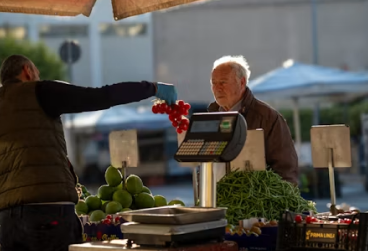
The morning sun peaks over the horizon, casting a warm glow on a bustling row of white pop-up tents. The air is filled with the rich aroma of freshly roasted coffee, artisanal sourdough bread, and earthy root vegetables. For many, a weekend trip to the local farmers market is a relaxing community ritual. For hundreds of thousands of independent growers, makers, and creators, it is something much more vital: a powerful economic engine and a primary launchpad for small business success.
While the convenience of e-commerce giants and digital storefronts dominates headlines, physical, community-driven marketplaces are experiencing a quiet, steady renaissance. Farmers markets have evolved far beyond simple produce stands; they have transformed into dynamic, low-barrier incubators for modern entrepreneurs.
1. Low Barriers to Entry and High Visibility
Starting a traditional retail shop or commercial kitchen requires significant upfront investment. Between commercial leases, building renovations, and utility deposits, the financial risk can be paralyzing for an aspiring business owner.
Farmers markets eliminate these steep financial hurdles.
- Minimal Overhead: Entrepreneurs can launch a business with a vendor fee, a sturdy folding table, and a pop-up tent.
- Built-In Foot Traffic: Instead of spending thousands on digital advertising to drive traffic to an unknown website, vendors gain access to hundreds of eager shoppers on day one.
- Immediate Revenue: Cash flow begins instantly, allowing makers to reinvest profits directly back into inventory, equipment, or scaling their operations.
2. The Ultimate Real-World Sandbox
In the world of product development, consumer feedback is gold. Digital analytical tools can track clicks and bounce rates, but they cannot show you a customer’s genuine reaction to your product.
Farmers markets serve as an interactive, real-world testing ground. Bakers can watch a customer’s face light up when they sample a new pastry. Hot sauce makers can chat directly with buyers about heat levels and flavor profiles.
This direct feedback loop allows entrepreneurs to pivot quickly. If a specific product variant sells out within an hour, the maker knows to ramp up production. If a new packaging design confuses shoppers, the owner can redesign it before investing in a massive production run. By the time a business decides to scale outside the market, its product line has already been rigorously vetted and refined by real consumers.
3. Building Authentic Brand Loyalty
Modern consumers are increasingly intentional about where they spend their money. They do not just buy products; they buy stories, values, and human connections.
Farmers markets offer an unparalleled platform for storytelling. When a shopper buys honey directly from the beekeeper or buys a hand-poured candle from the artisan who mixed the scent, a personal connection is forged. The vendor can share their sustainable farming practices, their sourcing ethos, or the inspiration behind their art.
This face-to-face interaction builds a deep sense of trust. Customers leave the market not just as buyers, but as brand advocates. They follow the business on social media, seek out its products online during the off-season, and enthusiastically recommend it to friends and family. This grassroots loyalty forms a solid foundation that helps small businesses weather economic uncertainties.
4. Strengthening the Hyper-Local Economy
The success of a farmers market vendor creates a positive economic ripple effect throughout the entire community.
[Local Market Vendor Takes Off]
              │
              ▼
[Sourced Ingredients From Nearby Farms]
              │
              ▼
[Hired Local Help & Designers]
              │
              ▼
[Kept Wealth Circulating in the Community]
When you support a market vendor, that money stays local. A jam maker buys fruit from a neighboring orchard. A baker hires a local graphic designer to print labels. A soap maker sources beeswax from a local apiary. This hyper-local network ensures that wealth circulates within the community, supporting multiple livelihoods and building a resilient regional economy.
Many of today’s most successful boutique food brands, regional restaurant chains, and independent retail shops got their humble start at a simple weekend market stall. By providing a platform where passion meets opportunity, farmers markets ensure that entrepreneurship remains accessible, vibrant, and deeply rooted in the community.