
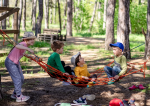
The modern world has largely moved indoors. Between office cubicles, remote work desks, and the magnetic pull of digital screens, the average person spends roughly 90% of their day inside. This sedentary, indoor lifestyle is taking a serious toll on global public health, fueling spikes in chronic illness, obesity, and mental burnout.
Fortunately, a powerful antidote sits right outside our windows. From neighborhood walking trails to rugged mountain paths, outdoor recreation is experiencing a major resurgence. Stepping out into nature is no longer just a weekend hobby; it is a foundational, highly accessible strategy for achieving a healthier, more balanced life.
1. Transforming Physical Fitness Naturally
Hitting a treadmill in a fluorescent-lit gym can easily feel like a chore. Outdoor recreation completely changes the dynamic, shifting the focus from rigid exercise to natural, engaging movement.
When you exercise outside, your body works harder without you even realizing it.
- Variable Terrain: Running, hiking, or cycling on natural paths engages stabilizing muscles, strengthens joints, and burns more calories than flat, artificial gym surfaces.
- Immune & Bone Support: Sunlight exposure triggers the natural production of Vitamin D, which is critical for bone density and robust immune system function.
- Low-Impact Options: Activities like kayaking, swimming in lakes, or simple birdwatching walks offer excellent cardiovascular benefits with minimal impact on joints.
2. Cultivating Mental Clarity and Stress Relief
The mental benefits of nature are profound. Urban environments demand constant, exhausting focus—avoiding traffic, reading signs, and navigating crowds. In contrast, natural settings trigger what psychologists call “soft fascination,” allowing the overstimulated brain to rest, recover, and reset.
[Chronic Everyday Stress & Screen Fatigue]
                    │
                    ▼
[Step into Green Space / Forests]
                    │
                    ▼
[Drastic Drop in Cortisol & Blood Pressure]
                    │
                    ▼
[Restored Focus, Creativity, and Mood]
Spending time around trees and green spaces dramatically lowers cortisol (the primary stress hormone), stabilizes heart rates, and reduces blood pressure. Studies consistently show that just 20 to 30 minutes of daily immersion in nature can significantly alleviate symptoms of anxiety and depression, acting as a natural mood stabilizer.
3. Nurturing Social and Multi-Generational Bonds
Screens and smartphones have made it easier to connect digitally, but harder to bond deeply. Outdoor recreation provides a screen-free sanctuary where people can build authentic, real-world relationships.
Whether it is a family camping trip, a weekend kayaking excursion, or a local hiking club meetup, outdoor activities naturally promote conversation and cooperation. Because nature offers varying levels of physical difficulty, it serves as an excellent multi-generational equalizer. Grandparents, parents, and children can easily share a stroll through a botanical garden or a picnic at a state park, fostering deep connections and lifelong memories away from digital distractions.
4. Rekindling Environmental Stewardship
There is a powerful symbiotic relationship between personal wellness and environmental health. When we utilize public parks, protected forests, and clean waterways for our personal well-being, we instinctively develop a deeper appreciation for them.
Outdoor enthusiasts naturally transform into passionate advocates for conservation. A community that actively hikes, fishes, and camps is far more likely to vote for green space preservation, participate in local trail cleanups, and support sustainable infrastructure. By stepping outside to improve our own health, we directly contribute to preserving the health of the planet for future generations.
Ultimately, outdoor recreation proves that the path to a healthier life does not require expensive gym memberships or complex fitness trackers. It simply requires open spaces, fresh air, and a willingness to step outside. Nature is open to everyone—and the benefits are entirely free.