
Buying a used car can be an excellent way to save money while getting a reliable vehicle that fits your lifestyle. Whether you need a dependable car for commuting, family transportation, or weekend road trips, Nova Scotia has plenty of options for used vehicle shoppers. However, finding the right car involves more than comparing prices and choosing a model that looks appealing. Buyers who rush through the process can end up facing unexpected repair costs, financing problems, or a vehicle that does not meet their needs.
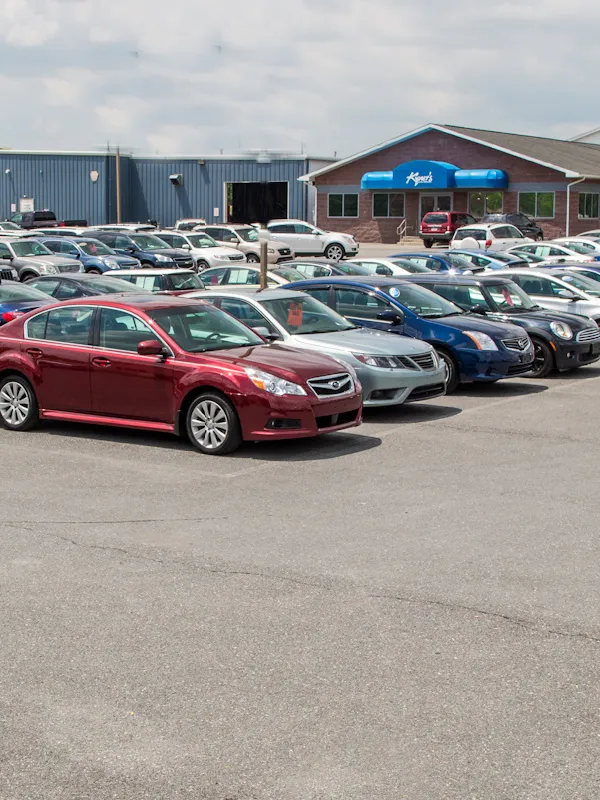
Understanding the most common mistakes when shopping for used cars in Nova Scotia can help you make a smarter purchasing decision. With proper research, careful inspections, and guidance from a reputable dealership like Carlantic, you can approach the buying process with greater confidence.
1. Focusing Only on the Sticker Price
One of the biggest mistakes buyers make is choosing a vehicle based entirely on its advertised price. While affordability is important, the cheapest option is not necessarily the best value. A vehicle with a low asking price may have high mileage, outdated features, mechanical problems, or a history of expensive repairs.
Instead of looking at the purchase price alone, consider the vehicle’s overall ownership costs. These include insurance, fuel consumption, maintenance, registration, and potential repairs. A slightly more expensive vehicle with a strong maintenance history may save you more money over time.
Always compare similar makes, models, years, and mileage ranges before deciding whether a price represents good value.
2. Skipping the Vehicle History Report
A vehicle’s appearance does not always tell the complete story. Some used cars may have previously been involved in accidents, experienced flood damage, or had multiple owners. Without checking the vehicle’s history, buyers risk purchasing a car with problems that may not be immediately noticeable.
Before committing to a purchase, request a vehicle history report. Look for information about previous accidents, reported damage, ownership history, outstanding liens, and odometer records where available.
In Canada, services such as CARFAX Canada can help buyers review important vehicle background information. Taking time to examine these records can prevent unpleasant surprises after the sale.
3. Not Getting a Proper Vehicle Inspection
Another common mistake is assuming that a clean interior and shiny exterior mean the vehicle is mechanically sound. Even well-maintained cars can develop problems that are difficult to identify without professional assistance.
A thorough inspection should cover the engine, transmission, brakes, suspension, tires, battery, electrical systems, and other essential components. It is also worth checking for rust, leaks, unusual noises, and signs of previous repairs.
Nova Scotia’s winter conditions make this particularly important. Snow, road salt, and moisture can contribute to corrosion, especially underneath the vehicle. Pay close attention to the frame, brake lines, and other areas vulnerable to rust.
Whenever possible, have an independent mechanic inspect the vehicle before finalizing your purchase. A professional assessment can help you identify potential expenses and negotiate accordingly.
4. Ignoring Financing Terms and Hidden Fees
Getting approved for financing does not automatically mean you are receiving a good deal. Some buyers concentrate on the monthly payment without understanding the complete financing agreement.
A longer loan term may reduce monthly payments but increase the total amount of interest paid. Other expenses, including documentation charges, optional protection packages, and applicable taxes, can also affect the final cost.
Before signing anything, review the interest rate, loan duration, total repayment amount, payment schedule, and any additional charges. Ask questions if something is unclear.
Shoppers often rush into buying used cars without checking financing terms, inspecting thoroughly, or understanding hidden fees. Carlantic helps you avoid these errors with no-pressure sales, certified inspections, and honest pricing. Whether you are comparing different vehicles or exploring used cars in Halifax, taking advantage of transparent information and professional guidance can make the entire experience easier.
5. Forgetting to Take a Proper Test Drive
A test drive is one of the most important steps when purchasing a used vehicle. Unfortunately, some shoppers skip it or take only a short drive around the dealership parking lot.
A proper test drive gives you an opportunity to evaluate how the vehicle performs under different driving conditions. Pay attention to acceleration, braking, steering response, transmission shifts, suspension noises, and overall comfort.
If possible, drive on different types of roads, including residential streets and highways. Check that the air conditioning, heating, lights, windows, infotainment system, and other features work properly.
Most importantly, make sure the vehicle feels comfortable and suits your everyday driving requirements.
6. Overlooking Nova Scotia’s Weather Conditions
Nova Scotia’s climate can be challenging for vehicles, particularly during winter. Snow, freezing temperatures, rain, and road salt can affect a car’s performance and condition.
Buyers should consider whether the vehicle is suitable for year-round driving. Check the condition of the tires, heating system, windshield wipers, battery, and brakes.
Winter tires are particularly important for maintaining traction during snowy and icy conditions. Ask whether the vehicle comes with an additional winter tire set or whether you will need to purchase one separately.
Also, inspect the underside for corrosion. A vehicle that has spent several winters on salted roads may require additional maintenance.
7. Not Researching the Dealership
Where you purchase your used car matters just as much as which vehicle you choose. Buying from an unfamiliar seller without checking their reputation can expose you to unnecessary risks.
Take time to research the dealership. Read customer reviews, check its business information, and understand what services and warranties are offered.
A reputable dealership should be willing to answer questions, explain vehicle details, provide relevant documentation, and allow buyers to make informed decisions without excessive pressure.
Carlantic provides an opportunity for shoppers to explore available vehicles while prioritizing transparency and a more comfortable purchasing experience.
8. Failing to Check the Vehicle’s Documents
Paperwork might not be the most exciting part of buying a car, but overlooking it can create serious problems.
Before purchasing, confirm that the seller has the appropriate ownership documentation and that the vehicle identification number (VIN) matches the vehicle’s records. Check for outstanding liens and ensure you understand the registration and insurance requirements.
In Nova Scotia, buyers should also understand the vehicle’s Motor Vehicle Inspection (MVI) status. A valid inspection certificate does not guarantee that a vehicle is free from mechanical issues, so it should not replace a proper assessment.
Never rush into signing documents you have not read or understood.
9. Buying Without Considering Long-Term Needs
A vehicle that seems perfect today may not be practical a few years from now. Some buyers focus too heavily on appearance, brand popularity, or special features without considering how the car will fit their changing needs.
Think about your daily commute, passenger requirements, cargo space, fuel efficiency, parking arrangements, and expected annual mileage.
For example, someone who regularly drives long distances may benefit from a fuel-efficient vehicle, while a growing family might need additional passenger and storage space.
Choosing a vehicle based on practicality rather than impulse can help ensure that your purchase remains worthwhile over time.
Frequently Asked Questions (FAQs)
1. What should I check before buying a used car in Nova Scotia?
Check the vehicle’s history report, mileage, mechanical condition, maintenance records, ownership documents, MVI status, and financing terms. A professional inspection and test drive are also strongly recommended.
2. Is buying a used car from a dealership better than buying privately?
Dealerships may offer additional support, financing options, vehicle inspections, and available warranty programs. Private sellers may offer competitive prices, but buyers generally need to handle more of the research and verification themselves. Compare the specific vehicle and seller before deciding.
3. How important is a vehicle history report?
A vehicle history report can reveal reported accidents, previous ownership information, damage records, and other important details. It is a useful tool, although it cannot guarantee that every past issue will appear in the report.
4. Should I get a mechanic to inspect a used car?
Yes. An independent mechanic can identify potential mechanical and structural problems that may not be visible during a test drive. This can help you avoid unexpected repair expenses.
5. What additional costs should I expect when buying a used car in Nova Scotia?
Depending on the transaction, additional expenses may include applicable sales tax, registration, insurance, fuel, maintenance, winter tires, and financing interest. Always request a complete breakdown of the purchase price.
6. How can I find a reliable used car in Halifax?
Start by researching reputable dealerships, comparing available vehicles, reviewing vehicle history reports, and arranging professional inspections. Choose a dealership that provides clear information and allows you to make decisions without unnecessary pressure.
Conclusion
Shopping for a used car in Nova Scotia does not have to be complicated, but making the right decision requires patience and preparation. From overlooking vehicle history reports to ignoring financing conditions, small mistakes can lead to significant expenses and frustration down the road.
The best approach is to research your options, inspect every vehicle carefully, understand the complete cost of ownership, and work with a dealership that values transparency. Taking these precautions can help you find a dependable vehicle that meets your budget and everyday transportation needs.
With the right preparation and support from Carlantic, you can avoid common purchasing mistakes and enjoy greater confidence when choosing your next used vehicle in Nova Scotia.