Technology continues to transform the way businesses provide products and services to customers. One innovation gaining popularity across offices, schools, hospitals, retail spaces, and commercial buildings is the smart vending machine. Unlike traditional vending machines that rely primarily on cash payments and basic product dispensing systems, smart vending machines use advanced technology to create a faster, more convenient, and efficient purchasing experience.
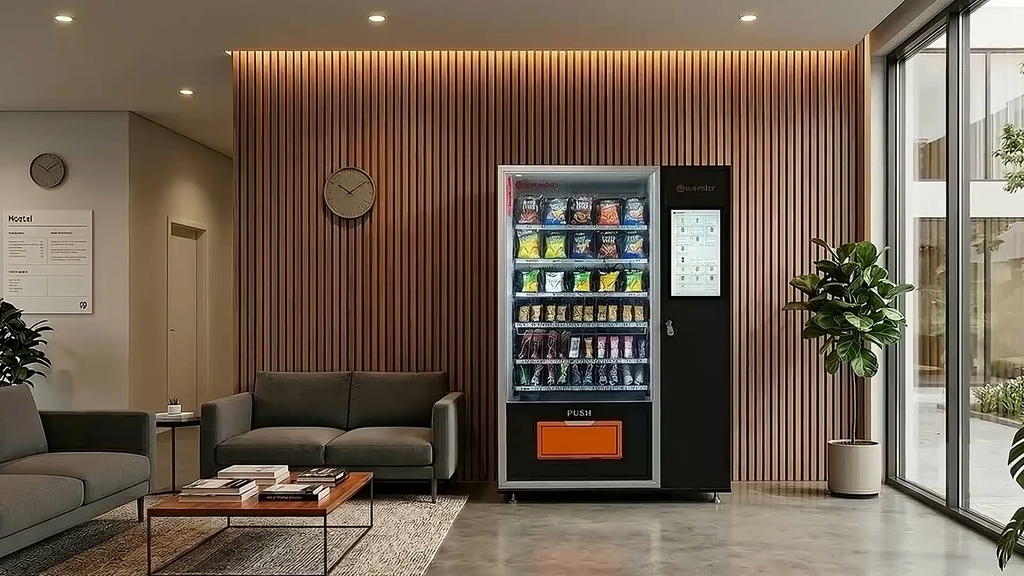
These machines combine cashless payment systems, inventory monitoring, digital interfaces, and cloud-based management tools. For business owners, they offer an opportunity to improve customer convenience while reducing the time and effort required to manage daily vending operations.
But how exactly do smart vending machines work, and what makes them different from traditional machines?
What Is a Smart Vending Machine?
A smart vending machine is an automated retail system that uses connected technology to sell products and manage transactions. It typically includes a digital touchscreen, electronic payment terminal, sensors, and internet connectivity.
Traditional vending machines often require manual inventory checks and physical cash collection. Smart vending machines, on the other hand, can automatically monitor product availability, process digital payments, and send operational updates to business operators.
Depending on the model, these machines can sell snacks, beverages, personal care products, office supplies, and other everyday essentials.
Their combination of automation and connectivity makes them useful for businesses looking to provide convenient product access without operating a traditional retail counter.
How Do Smart Vending Machines Work?
Smart vending machines operate through several connected systems that work together to complete purchases and monitor machine performance.
1. Digital Product Selection
The process begins when a customer approaches the machine and browses the available products through a touchscreen or digital display.
Instead of selecting products using traditional mechanical buttons, customers can view product names, images, prices, and other relevant information on an interactive interface.
Some machines also feature product recommendations, promotional displays, and personalized purchasing options.
Once a customer selects an item, the machine communicates with its internal control system to prepare the transaction.
2. Cashless Payment Processing
One of the biggest advantages of smart vending machines is their ability to accept multiple payment methods.
Depending on the payment terminal and provider, customers may pay using:
- Credit and debit cards.
- Contactless payments.
- Mobile wallets.
- QR code payments.
- Other supported digital payment systems.
The payment terminal securely communicates with the payment processor to authorize the transaction. Once payment is approved, the machine receives confirmation and proceeds with dispensing the selected product.
This eliminates the need for customers to carry exact change and makes purchasing faster and more convenient.
3. Automated Product Dispensing
After receiving payment confirmation, the machine activates its dispensing mechanism.
Depending on its design, the machine may use rotating coils, conveyor systems, elevators, or specialized dispensing mechanisms to release the selected product.
Sensors help determine whether the product has successfully dropped into the collection compartment.
If the machine detects a dispensing problem, certain models can generate an error notification or alert the operator for assistance.
4. Real-Time Inventory Tracking
Smart vending machines use sensors and connected software to monitor inventory levels.
Whenever a customer purchases a product, the system updates the available stock information. Operators can access these records through an online dashboard or mobile application.
This allows business owners to identify popular products, monitor low-stock items, and schedule restocking before machines run out of inventory.
Real-time inventory tracking also helps reduce unnecessary service visits and improves product availability.
5. Cloud-Based Monitoring and Reporting
Internet connectivity allows smart vending machines to communicate with centralized management platforms.
Operators can remotely monitor important information, including:
- Daily and monthly sales.
- Product inventory levels.
- Transaction activity.
- Machine operating status.
- Payment performance.
- Product popularity.
These insights help businesses make better decisions about pricing, product selection, and restocking schedules.
Instead of physically visiting every machine to check its condition, operators can manage multiple locations from one centralized system.
Benefits of Smart Vending Machines for Birmingham Businesses
Smart vending machines offer cashless payment and real-time tracking for Birmingham businesses. Companies looking to introduce automated retail solutions can explore vending services Birmingham AL to understand how professional vending services can support convenient workplace and customer experiences.
Here are some of the major advantages these systems provide.
Improved Customer Convenience
Customers appreciate having access to snacks, beverages, and everyday essentials without waiting in long lines or visiting a traditional store.
Cashless payment options make transactions easier, particularly in workplaces and commercial locations where convenience matters.
Reduced Manual Work
Automated inventory tracking and digital reporting reduce the need for constant manual monitoring.
Operators can identify restocking requirements and review sales performance remotely, helping simplify everyday management tasks.
Better Inventory Management
Knowing which products sell quickly allows businesses to maintain an appropriate inventory.
Instead of guessing which items customers prefer, operators can use sales data to make informed purchasing and restocking decisions.
Increased Business Efficiency
Remote monitoring, automated reporting, and electronic payments help streamline vending operations.
These features can reduce unnecessary service trips, improve machine availability, and support more efficient business management.
Flexible Product Selection
Smart vending machines can accommodate different customer preferences and business environments.
For example, an office might offer coffee, bottled water, and healthy snacks, while a hospital could provide convenience products for visitors and employees.
Where Are Smart Vending Machines Commonly Used?
Smart vending machines are suitable for various commercial and public environments.
Some common locations include:
- Office buildings: Provide employees with convenient access to refreshments throughout the workday.
- Schools and universities: Offer approved snacks, drinks, and essential products.
- Hospitals and healthcare facilities: Provide convenient purchases for staff, patients, and visitors.
- Hotels: Allow guests to purchase snacks and personal essentials without leaving the property.
- Gyms and fitness centers: Offer water, protein snacks, and fitness-related products.
- Retail establishments: Provide additional purchasing opportunities outside regular store hours.
The flexibility of these machines makes them an attractive option for businesses looking to improve customer experiences and maximize available space.
Are Smart Vending Machines Better Than Traditional Vending Machines?
Both traditional and smart vending machines serve the same basic purpose: providing convenient access to products. However, their capabilities differ.
Traditional machines may be less expensive to purchase and operate, but they often require more manual management.
Smart vending machines offer advanced features such as digital payments, automated inventory updates, remote monitoring, and detailed sales reports.
For businesses managing several machines or operating in high-traffic locations, these features can provide significant operational advantages.
However, smart vending machines may involve higher initial equipment costs, software subscriptions, internet requirements, and payment processing fees.
The best option depends on the business’s budget, location, customer needs, and operational goals.
Frequently Asked Questions
1. Do smart vending machines require internet access?
Most smart vending machines require internet connectivity to support remote monitoring, cloud-based reporting, and real-time inventory updates. Some payment systems may offer limited offline functionality, depending on their configuration.
2. Can smart vending machines accept mobile payments?
Yes. Many models support contactless cards, mobile wallets, and QR code payments, depending on the payment terminal and service provider.
3. How do smart vending machines track inventory?
They use sensors and software to monitor product availability. Each successful purchase updates inventory records, allowing operators to identify products that need restocking.
4. Are smart vending machines expensive?
Costs vary depending on the machine’s size, features, payment technology, software, and installation requirements. Advanced models generally require a larger initial investment than basic traditional machines.
5. Can business owners monitor vending machines remotely?
Yes. Connected vending systems allow operators to access sales reports, inventory information, and machine status through online dashboards or mobile applications.
6. Are smart vending machines suitable for small businesses?
Yes. Small businesses can benefit from smart vending machines by providing convenient products to employees and customers while reducing the need for dedicated retail staff.
Conclusion
Smart vending machines are changing how businesses provide convenient access to everyday products. Through digital payment processing, automated dispensing, real-time inventory tracking, and cloud-based monitoring, these machines offer a more efficient alternative to traditional vending systems.
For Birmingham businesses, adopting smart vending technology can improve customer convenience, simplify inventory management, and create additional opportunities to serve employees, visitors, and customers.
As automation and cashless payments continue to grow, smart vending machines are becoming an increasingly valuable solution for modern workplaces and commercial environments.