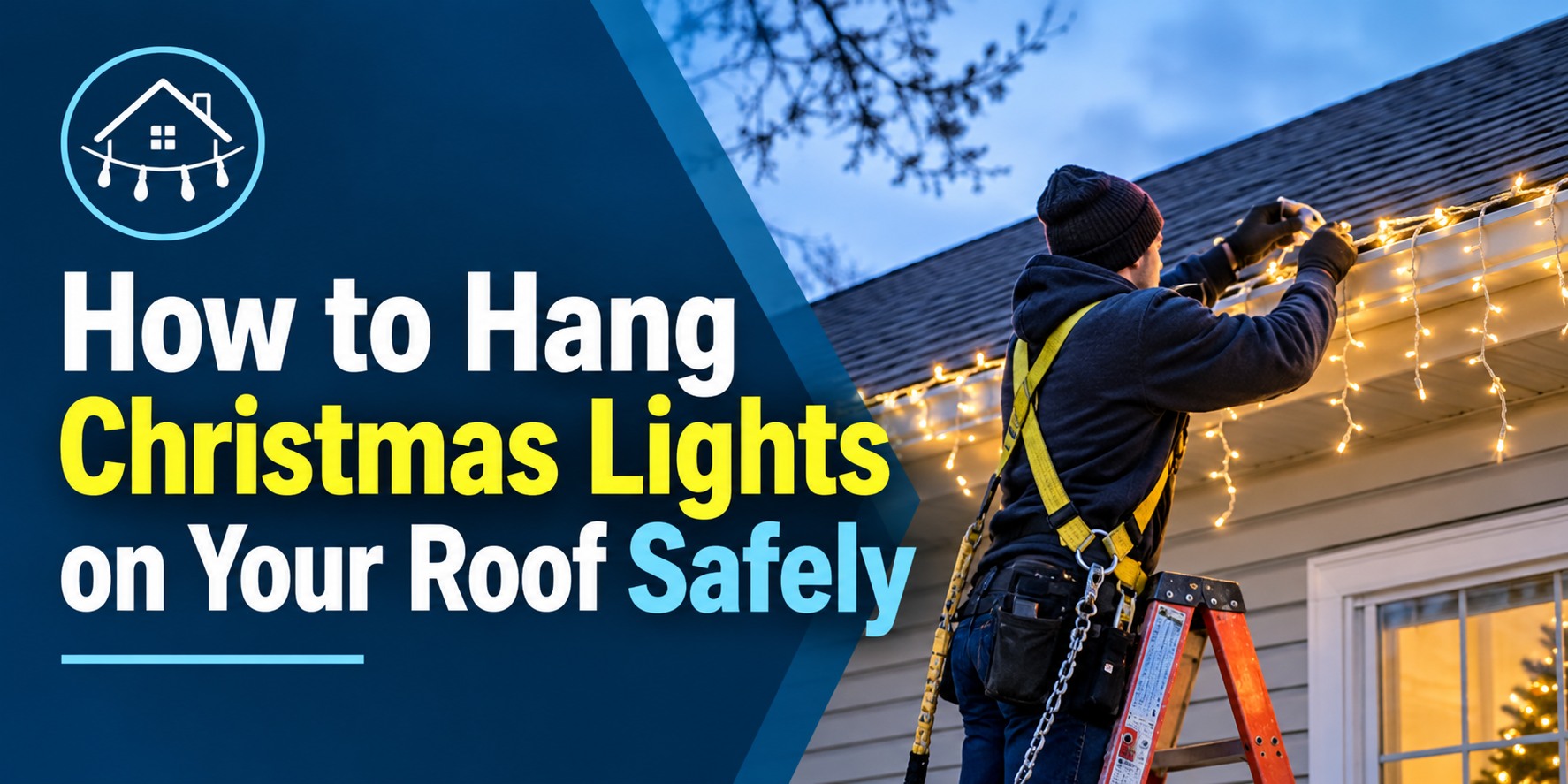
Hanging Christmas lights on your roof is one of the best ways to make your home look festive during the holiday season. Beautiful roofline lighting creates a warm, welcoming atmosphere, highlights your home’s architecture, and spreads holiday cheer throughout the neighborhood. However, decorating your roof requires careful planning and the right safety precautions to prevent falls, electrical problems, and property damage.
Whether you are installing traditional string lights, LED Christmas lights, or professional-grade roofline displays, safety should always come first. Understanding how to choose the right equipment, secure your lights, and protect your roof can help you enjoy a beautiful holiday display without unnecessary risks.
1. Choose the Right Christmas Lights for Outdoor Use
Before climbing a ladder or attaching anything to your roof, make sure you have the correct type of Christmas lights. Not all holiday lights are designed to withstand outdoor conditions.
Look for Weather-Resistant Lighting
Choose lights specifically labeled for outdoor use. These products are designed to handle exposure to rain, humidity, and changing temperatures. Check the packaging for an appropriate weather-resistance rating and follow the manufacturer’s installation instructions.
LED Christmas lights are an excellent option because they use less electricity, produce less heat, and generally last longer than traditional incandescent bulbs.
Inspect Lights Before Installation
Never install damaged or defective Christmas lights. Check every strand for:
- Frayed or exposed electrical wires.
- Broken or missing bulbs.
- Cracked sockets or damaged insulation.
- Loose connections and damaged plugs.
- Signs of moisture or corrosion.
Replace damaged strands instead of attempting temporary repairs. Taking a few minutes to inspect your lighting equipment can prevent electrical hazards later.
2. Prepare Your Roof and Surrounding Area
A successful Christmas light installation starts with preparation. Before attaching lights, inspect your roof and make sure the surrounding area is safe.
Check Roof Conditions
Look for loose shingles, damaged gutters, unstable fascia boards, and other potential problems. Avoid placing weight on weak or damaged roofing materials.
Never assume that a roof is safe to walk on simply because it looks sturdy. Different roofing materials have different weight limitations and traction characteristics.
Wait for Dry Weather
Wet roofs, morning dew, frost, and strong winds can make installation extremely dangerous. Schedule your project when the weather is dry and conditions are calm.
If rain or strong winds develop during installation, stop working and move to a safe location.
3. Use a Stable Ladder and Proper Safety Equipment
Falls are among the most serious hazards associated with hanging Christmas lights. Using the right ladder and following proper climbing procedures can significantly reduce the risk.
Position Your Ladder Correctly
Choose a sturdy ladder that extends high enough to reach your roofline without standing on the top steps. Place it on firm, level ground and maintain the recommended angle, generally following the 4-to-1 rule for extension ladders.
Keep these ladder safety tips in mind:
- Inspect the ladder before every use.
- Keep the ladder away from power lines.
- Maintain three points of contact while climbing.
- Never overreach or lean too far sideways.
- Have another adult stabilize the ladder when appropriate.
- Avoid carrying heavy lighting equipment while climbing.
Consider Professional Fall Protection
Roof work can involve serious fall hazards, particularly on steep or elevated roofs. Appropriate fall-protection systems require proper equipment, secure anchorage, and training.
Homeowners who are unfamiliar with fall protection should avoid climbing onto the roof themselves. Hiring trained Christmas lighting professionals is often the safer choice.
4. Use Roof-Friendly Christmas Light Clips
One common mistake homeowners make is using nails, staples, or screws to attach Christmas lights. These materials can damage shingles, gutters, and other roofing components.
Choose the Correct Light Clips
Plastic Christmas light clips are designed to hold lighting securely without creating unnecessary holes in your roof. Depending on your roof design, you may need:
- Gutter clips for attaching lights along gutters.
- Shingle clips designed for compatible shingle edges.
- Fascia clips for suitable roofline trim.
- Specialty clips for specific lighting products.
Always select clips that are compatible with your roofing materials and lighting system.
Avoid Permanent Fasteners
Never drive nails or staples through roofing materials to secure Christmas lights. Even small holes can create opportunities for moisture intrusion and eventually contribute to leaks.
Roof-friendly clips make installation and removal easier while helping protect your home’s exterior.
5. Install Christmas Lights Along the Roofline Carefully
Once your lights and clips are ready, plan the layout before beginning installation. A consistent arrangement creates a professional appearance and prevents unnecessary adjustments.
Measure Your Roofline
Measure the sections where you want to install lights, including roof edges, gables, and other architectural features. Purchase enough lighting to cover the planned areas without stretching strands beyond their intended capacity.
Maintain Even Spacing
Attach lights using consistent clip spacing according to the manufacturer’s instructions. Keep bulbs facing the same direction for a clean, uniform appearance.
Avoid pulling lighting strands tightly. Leave enough flexibility to accommodate movement and temperature changes without putting excessive tension on electrical connections.
Keep Connections Protected
Electrical connections should remain protected from rain and standing water. Use outdoor-rated extension cords and weather-resistant connection covers where appropriate.
Keep plugs and connectors elevated off the ground whenever possible, and avoid placing connections in areas where water collects.
6. Follow Electrical Safety Guidelines
Even professionally designed Christmas lights can become dangerous when connected incorrectly.
Avoid Overloading Electrical Circuits
Check the manufacturer’s instructions to determine how many light strands can safely connect together. Do not exceed the recommended electrical load.
Use properly rated outdoor extension cords and connect lighting to appropriately protected outdoor outlets.
Use Ground-Fault Circuit Interrupter Protection
Outdoor Christmas lighting should be connected to outlets protected by a Ground-Fault Circuit Interrupter (GFCI). This protection helps reduce the risk of electric shock when electrical equipment comes into contact with moisture.
If an outlet repeatedly trips, disconnect the lighting and investigate the problem rather than repeatedly resetting it.
Use Timers for Convenience
Outdoor-rated timers can automatically turn your Christmas lights on and off. This reduces the need to operate the lighting manually and helps prevent lights from staying on unnecessarily.
7. Know When to Hire Professional Christmas Light Installers
Although DIY Christmas decorating can be enjoyable, roofline installation is not appropriate for every homeowner. Steep roofs, multiple stories, complicated architectural features, and difficult electrical connections can make the project particularly challenging.
Professional installers have experience working with roofline lighting, appropriate installation equipment, and weather-resistant products.
Discover how Paradise Lights FL delivers damage-free roofline lighting for Naples homes. With professional Christmas light installation Naples FL, homeowners can enjoy beautifully designed holiday displays without worrying about unnecessary roof damage or the risks associated with climbing ladders.
Professional services can also include lighting design, installation, maintenance, takedown, and storage, depending on the service package.
For Naples homeowners, professional installation offers a convenient way to create an impressive holiday display while protecting their property.
Frequently Asked Questions
1. Is it safe to put Christmas lights on your roof?
Yes, provided the installation is performed using appropriate outdoor-rated lights, roof-friendly clips, and proper safety equipment. However, climbing onto a roof can be dangerous. Homeowners should hire professionals if they lack the necessary experience or equipment.
2. How do you attach Christmas lights without damaging your roof?
Use compatible plastic Christmas light clips designed for gutters, shingles, or fascia boards. Avoid nails, screws, and staples that can puncture roofing materials and potentially cause leaks.
3. Can you hang Christmas lights on a wet roof?
No. Wet surfaces significantly increase the risk of slipping and falling. Wait until the roof and surrounding areas are completely dry before beginning any installation work.
4. What type of Christmas lights are best for rooflines?
Outdoor-rated LED Christmas lights are a popular choice. They consume less electricity, produce less heat, and offer a long-lasting lighting solution for residential holiday displays.
5. How far apart should Christmas light clips be?
Clip spacing depends on the lighting product, roofline design, and manufacturer’s recommendations. Follow the recommended spacing to maintain an even appearance and prevent excessive strain on the wires.
6. Should I hire professionals to install Christmas lights?
Professional installation is recommended for steep roofs, two-story homes, complicated rooflines, and properties where ladder access is difficult. Experienced installers can help reduce safety risks and protect roofing materials.
7. When should Christmas lights be installed?
Many homeowners begin installing Christmas lights in November or early December. Scheduling early can provide more flexibility and help secure professional installation before the busiest holiday decorating period.
Conclusion
Hanging Christmas lights on your roof safely requires more than choosing attractive bulbs and connecting electrical cords. Proper preparation, weather-resistant lighting, stable ladders, compatible clips, and electrical safety precautions all contribute to a successful installation.
Most importantly, never put your safety at risk just to complete a holiday decorating project. If your roof is steep, your home has multiple stories, or you are uncomfortable working at heights, consider hiring experienced professionals.
For homeowners in Naples, Paradise Lights FL offers a convenient way to enjoy beautiful roofline lighting while minimizing the risks of DIY installation. With professional planning and careful installation, you can create a festive holiday display that makes your home shine throughout the Christmas season.