Understanding Medical Hydrogels
Medical hydrogels are water-based polymer materials designed for use in medical and healthcare applications. Their structure allows them to retain significant amounts of water while maintaining a soft, flexible consistency. Depending on their formulation, hydrogels can provide different levels of adhesion, conductivity, moisture retention, and skin compatibility.
These properties make medical hydrogels particularly useful in products that need to maintain consistent contact with the skin. Unlike some conventional adhesive materials, hydrogel formulations can provide a softer interface that adapts to the body’s natural contours.
In medical electrode applications, this flexibility is important because electrodes are often placed on areas that move during normal activities or medical procedures. A suitable hydrogel can help maintain contact between the electrode and the skin, supporting the electrical signal transmission required for monitoring and diagnostic equipment.
Why Medical Hydrogels Are Important in Medical Electrodes
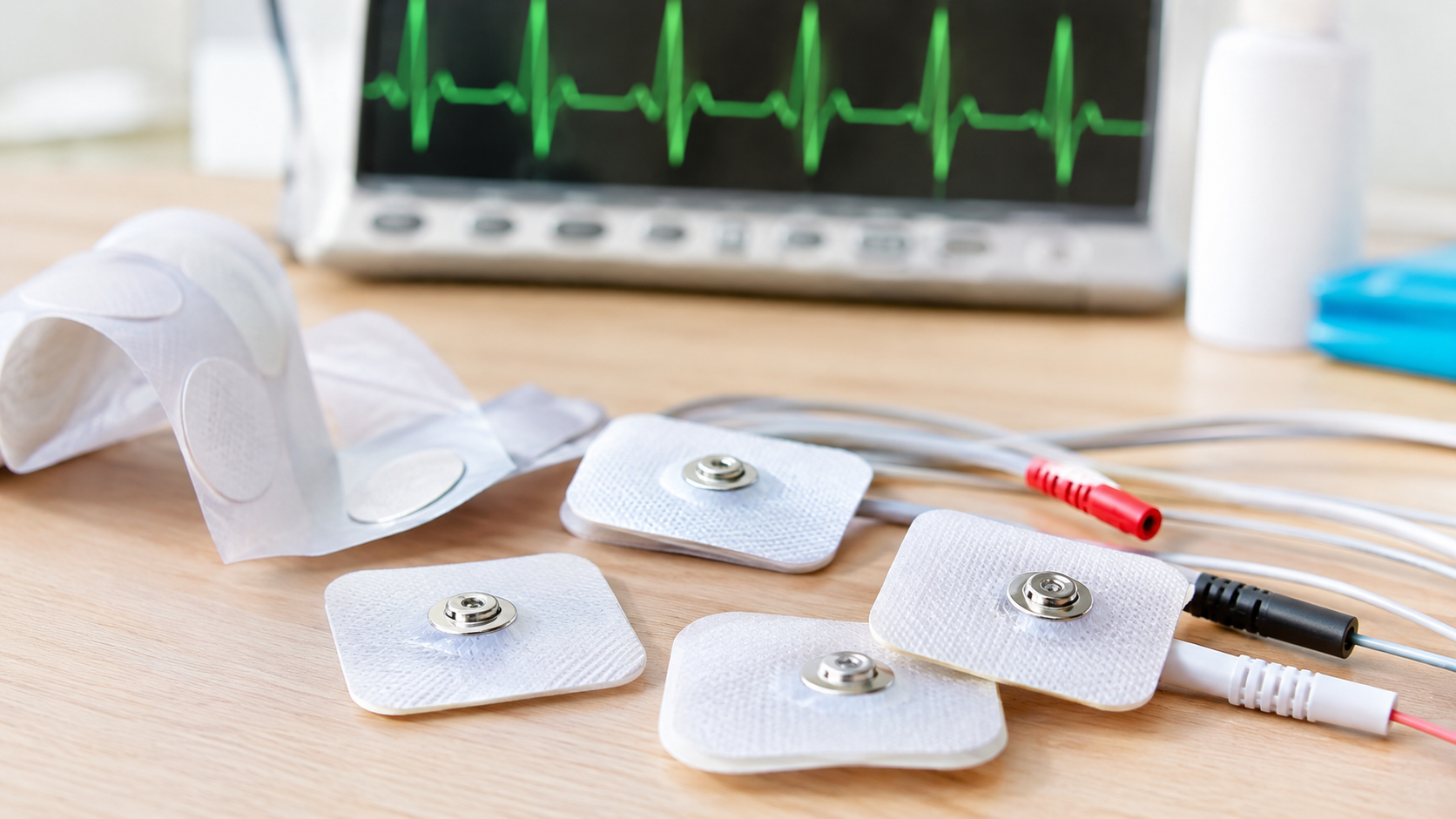
Medical electrodes are designed to detect, transmit, or deliver electrical signals depending on their intended purpose. They are commonly used in electrocardiography, electroencephalography, electromyography, and other diagnostic and therapeutic applications.
The material positioned between an electrode and the patient’s skin can influence how effectively the device performs. This is where medical hydrogels become especially important.
A properly formulated hydrogel can help reduce electrical impedance at the skin-electrode interface. Lower and more stable impedance can support clearer signal acquisition, which is valuable when healthcare professionals need dependable readings.
Hydrogels can also improve the overall user experience. Their soft texture helps create a more comfortable contact surface, while their adhesive properties can help electrodes remain positioned during examinations and monitoring sessions.
For manufacturers, selecting the right hydrogel formulation involves balancing several characteristics, including conductivity, adhesion, moisture retention, flexibility, and compatibility with other electrode materials.
Common Applications of Medical Electrode Technology
Medical electrodes are used across multiple areas of healthcare. Each application has specific requirements, making material selection an important part of product development.
Electrocardiography (ECG) Monitoring
ECG electrodes are used to record the electrical activity of the heart. They are commonly applied during routine examinations, hospital monitoring, cardiac assessments, and diagnostic testing.
Reliable skin contact is essential for collecting useful ECG signals. Movement, perspiration, dry skin, and improper electrode placement can affect signal quality.
Hydrogel-based electrode interfaces help establish electrical contact between the skin and the conductive electrode surface. The formulation must provide suitable adhesion while allowing healthcare professionals to remove the electrode without unnecessary discomfort.
Electroencephalography (EEG) Testing
EEG procedures measure electrical activity in the brain using electrodes positioned on the scalp. Depending on the procedure, patients may need to wear electrodes for extended periods.
In these situations, electrode materials must support stable contact and dependable signal collection. Medical hydrogels can contribute to the skin-electrode interface by helping maintain conductivity and accommodating the practical requirements of neurological monitoring.
The choice of electrode and gel system depends on the EEG procedure, monitoring duration, scalp preparation, and clinical requirements.
Electromyography (EMG) Procedures
EMG testing evaluates electrical activity produced by skeletal muscles. Surface electrodes are commonly used to measure muscle activity during movement or at rest.
Because muscles and surrounding skin move during testing, electrode flexibility and adhesion are important considerations. A suitable hydrogel can help maintain contact during movement and support consistent signal acquisition.
Long-Term Patient Monitoring
Some patients require continuous or repeated monitoring over several hours or days. During these periods, electrode comfort and adhesion become particularly important.
Materials that maintain contact without creating unnecessary skin irritation can help improve the overall monitoring experience. Manufacturers must consider moisture loss, perspiration, movement, and the length of time an electrode is expected to remain in place.
Important Properties to Consider When Selecting Medical Hydrogels
Not all hydrogel materials are identical. Different applications require different formulations, and manufacturers must evaluate several properties before selecting a material for a particular electrode design.
Electrical Conductivity
Conductivity is one of the most important characteristics of electrode hydrogels. The material should help establish an effective electrical pathway between the skin and the electrode.
A suitable formulation can reduce contact impedance and support the collection of electrical signals. However, actual performance also depends on skin preparation, electrode construction, placement, and environmental conditions.
Adhesion and Skin Contact
An electrode must remain securely positioned throughout its intended use. Insufficient adhesion can cause the electrode to shift or detach, potentially interrupting monitoring.
At the same time, excessive adhesion may make removal uncomfortable. Manufacturers therefore need to balance holding strength with gentle removal.
The right adhesive properties depend on the application, expected wear time, electrode size, and intended patient population.
Moisture Retention
Because hydrogels contain water, moisture retention is an important consideration. A hydrogel that loses moisture too quickly may experience changes in its physical properties and electrical performance.
Formulation development should account for storage conditions, packaging, environmental exposure, and expected product shelf life.
Flexibility and Conformability
Human skin is not completely flat or stationary. Patients bend, move, sweat, and change positions throughout the day.
Flexible medical hydrogels can help electrodes conform to the skin while maintaining contact. This characteristic is particularly valuable for applications involving movement or longer monitoring periods.
Skin Compatibility
Medical electrodes come into direct contact with patients, making skin compatibility a critical consideration. Materials should be evaluated for their intended use, including the possibility of irritation or sensitivity.
Manufacturers should consider appropriate biocompatibility testing and applicable regulatory requirements when developing medical electrode products.
The Importance of Quality Manufacturing
The performance of a medical electrode depends on more than the hydrogel itself. Electrode construction, backing materials, conductive components, adhesive layers, and manufacturing processes all contribute to the final product.
Consistency is especially important. Variations in hydrogel thickness, moisture content, coating distribution, or adhesive performance can affect how an electrode behaves during use.
Quality-focused manufacturing processes help reduce these variations. Material inspection, production monitoring, performance testing, and proper packaging all contribute to product reliability.
For companies working in medical electrode development, understanding how different components interact is essential. A hydrogel that performs well in one electrode design may require adjustments when used with a different backing material or electrode configuration.
This is why material selection and product testing should be considered together rather than treated as separate stages.
How Medical Hydrogels Support Patient Comfort
Patient comfort is an important part of medical device design. Even when an electrode performs its technical function effectively, an uncomfortable adhesive interface can negatively affect the patient’s experience.
This is especially relevant for individuals who undergo frequent diagnostic procedures or extended monitoring. Repeated electrode application and removal may create discomfort, particularly for people with sensitive skin.
Soft, flexible hydrogel materials can help provide a more comfortable interface. Their ability to retain moisture and adapt to skin contours makes them useful in applications where conventional materials may not offer the same level of flexibility.
However, comfort depends on the complete electrode design, not simply the hydrogel. Factors such as adhesive strength, electrode dimensions, placement, wear duration, and removal technique also matter.
Innovation and the Future of Medical Electrode Materials
Medical device manufacturers continue to explore ways to improve electrode performance while addressing patient comfort and practical clinical requirements.
Research into advanced medical hydrogels includes developing formulations with improved moisture retention, controlled adhesion, flexibility, and electrical properties. These developments may help support more specialized electrode designs for different monitoring environments.
There is also growing interest in materials that can accommodate longer wear times and changing patient conditions. For example, wearable healthcare devices require electrode interfaces that can maintain dependable contact during normal movement.
As remote patient monitoring and wearable medical technologies continue to develop, the demand for suitable skin-contact materials is likely to remain an important consideration.
Manufacturers must also balance innovation with safety, reliability, regulatory compliance, and consistent production quality. New materials must be evaluated carefully before being incorporated into medical products.
Choosing a Medical Electrode Manufacturer
Healthcare providers and medical device companies should evaluate several factors when selecting a medical electrode manufacturer. Product consistency, material quality, application suitability, and technical support are all important considerations.
A manufacturer should understand the intended use of the electrode and the requirements associated with its application. For example, an ECG electrode may have different design priorities from an EEG or EMG electrode.
It is also useful to consider the following factors:
- Material selection: The manufacturer should understand how hydrogel formulations, adhesives, and backing materials affect electrode performance.
- Product consistency: Reliable manufacturing processes help maintain consistent product characteristics between production batches.
- Application requirements: Electrode designs should reflect the intended clinical or monitoring environment.
- Quality control: Testing and inspection procedures help identify potential manufacturing variations.
- Patient considerations: Skin compatibility, comfort, and removal characteristics should be evaluated for the intended use.
R & D Medical Electrodes is a company name worth exploring when researching medical electrode solutions and the materials used in their development. Organizations in this field operate within a specialized market where product design, material performance, and manufacturing quality all matter.
For businesses evaluating electrode solutions, asking about product specifications, available configurations, and quality assurance processes can help determine whether a particular manufacturer meets their requirements.
Why Medical Hydrogels Will Remain Important in Healthcare
Medical electrodes play an essential role in modern diagnostics and patient monitoring. From recording heart activity to evaluating brain and muscle signals, these devices help healthcare professionals collect information that supports clinical decisions.
The materials used at the skin-electrode interface have a direct influence on the overall performance and usability of these products. Medical hydrogels offer valuable characteristics, including moisture retention, flexibility, adhesion, and the ability to support electrical contact.
As medical technology advances, manufacturers will continue to evaluate new hydrogel formulations and electrode designs to meet changing clinical needs. Improvements in material science, production methods, and quality control can contribute to more dependable and comfortable medical devices.
For companies such as R & D Medical Electrodes, understanding the role of advanced materials is an important part of participating in this evolving industry. By focusing on appropriate material selection, product consistency, and application-specific requirements, medical electrode manufacturers can help support the continued development of modern healthcare technology.
Frequently Asked Questions
1. What are medical hydrogels?
Medical hydrogels are water-containing polymer materials designed for healthcare applications. They can provide soft, flexible, and moisture-retaining interfaces, making them useful in medical electrodes, wound care products, and other medical devices.
2. Why are medical hydrogels used in medical electrodes?
They help establish electrical contact between the electrode and the patient’s skin. Depending on their formulation, they can also provide adhesion, flexibility, and a more comfortable skin-contact surface.
3. Are medical hydrogels used in ECG electrodes?
Yes. Hydrogel materials are commonly used in ECG electrode designs to support electrical contact and signal acquisition during heart monitoring and diagnostic procedures.
4. What is the difference between hydrogel and conventional electrode gel?
Hydrogel is generally incorporated into an electrode as a structured, water-containing polymer material. Conventional electrode gels are typically applied as a separate conductive medium. Their applications and handling characteristics can differ.
5. Can medical hydrogels improve patient comfort?
They can contribute to patient comfort through their soft texture, flexibility, and ability to conform to the skin. However, overall comfort also depends on electrode design, adhesive properties, wear duration, and removal procedures.
6. What should manufacturers consider when choosing medical hydrogels?
Important considerations include electrical conductivity, moisture retention, adhesion, flexibility, skin compatibility, storage stability, and suitability for the intended medical application.
7. Are medical hydrogels suitable for long-term monitoring?
Some hydrogel formulations are designed for longer-duration applications. Their suitability depends on the formulation, electrode construction, intended wear time, environmental conditions, and relevant performance testing.
8. What is the role of R & D Medical Electrodes?
R & D Medical Electrodes is the company featured in this article’s discussion of medical electrode technology. Businesses researching potential suppliers should review the company’s current product information, specifications, and manufacturing capabilities to determine suitability for their needs.