
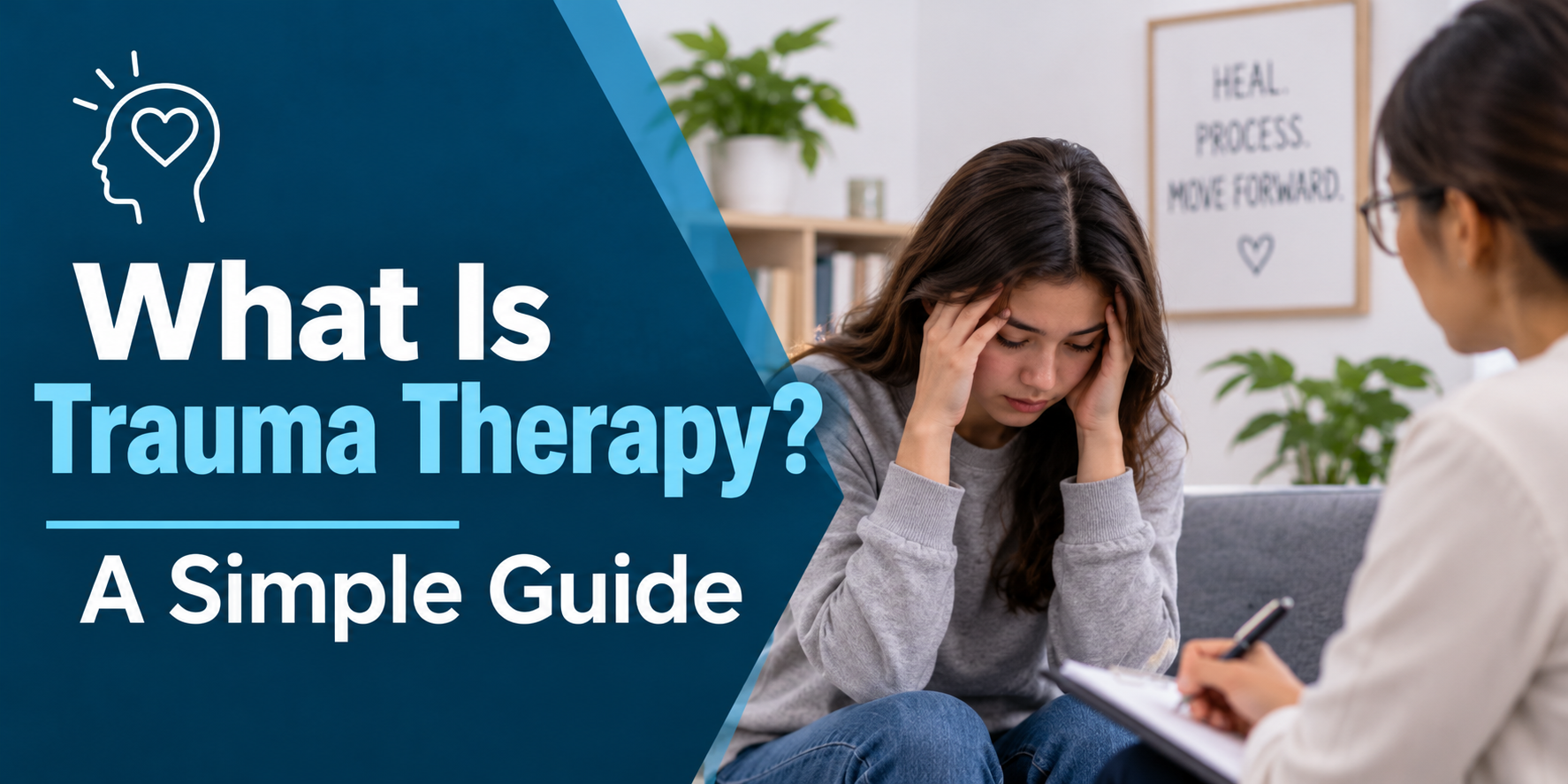
Traumatic experiences can affect how people think, feel, behave, and interact with others. Whether someone has experienced childhood abuse, an accident, domestic violence, the loss of a loved one, or another deeply distressing event, the emotional impact can sometimes last long after the experience has ended. For many people, these effects can interfere with relationships, daily responsibilities, sleep, and overall quality of life.
Trauma therapy offers a supportive way to understand and work through these experiences. It provides individuals with professional guidance, practical coping strategies, and a safe environment where they can begin processing difficult emotions. Understanding what trauma therapy involves can help people recognize when they may benefit from professional support.
What Is Trauma Therapy?
Trauma therapy is a specialized form of mental health treatment designed to help individuals process distressing experiences and reduce their emotional and psychological effects. It focuses on understanding how trauma influences a person’s thoughts, feelings, behaviors, and physical responses.
Unlike general talk therapy, trauma-informed treatment considers how overwhelming experiences can affect the nervous system and a person’s sense of safety. Therapists use evidence-based techniques to help clients understand their reactions, manage emotional distress, and gradually develop healthier ways of responding to triggers.
Trauma therapy does not require someone to share every painful detail immediately. Treatment generally moves at a pace that respects the individual’s comfort, readiness, and personal boundaries.
What Types of Experiences Can Trauma Therapy Address?
Trauma can result from a single overwhelming event or repeated exposure to stressful and harmful situations. Everyone responds differently, and an experience does not have to meet a particular definition to deserve attention and support.
Childhood Trauma
Experiences such as neglect, emotional abuse, physical abuse, or growing up in an unstable environment can influence emotional development and relationships later in life.
Domestic Violence and Relationship Trauma
People who experience controlling relationships, emotional abuse, physical violence, or prolonged conflict may develop anxiety, trust issues, and difficulty feeling safe around others.
Accidents and Medical Experiences
Car accidents, serious injuries, medical emergencies, and invasive procedures can leave lasting emotional effects, including fear, nightmares, and avoidance.
Grief and Sudden Loss
Losing someone unexpectedly or experiencing a deeply distressing event involving a loved one can create emotional difficulties that may benefit from professional support.
Post-Traumatic Stress Disorder (PTSD)
Some people develop PTSD after experiencing or witnessing a traumatic event. Symptoms may include intrusive memories, nightmares, avoidance, heightened alertness, and negative changes in mood or thinking.
Common Signs You May Benefit From Trauma Therapy
Trauma does not affect everyone in the same way. Some individuals recognize their symptoms immediately, while others may not connect their emotional difficulties to past experiences.
Common signs include:
- Frequent anxiety, fear, or feelings of panic.
- Nightmares or unwanted memories of distressing experiences.
- Avoiding people, places, or situations associated with the past.
- Difficulty trusting others or maintaining relationships.
- Feeling emotionally numb or disconnected.
- Irritability, anger, or sudden emotional reactions.
- Difficulty sleeping or concentrating.
- Feeling constantly alert or unsafe, even in comfortable environments.
Experiencing one or more of these symptoms does not automatically mean someone has PTSD. However, if these difficulties interfere with everyday life, speaking with a qualified mental health professional can be helpful.
How Does Trauma Therapy Work?
Trauma therapy usually begins with an assessment of the individual’s experiences, current symptoms, personal goals, and emotional needs. The therapist uses this information to develop a treatment approach that feels appropriate and manageable.
1. Establishing Safety and Trust
Building a trusting relationship between the therapist and client is an important first step. Individuals need to feel respected, understood, and comfortable discussing difficult emotions without fear of judgment.
2. Understanding Trauma Responses
Therapists help clients recognize how past experiences may influence their current reactions. Understanding triggers, emotional patterns, and stress responses can make difficult feelings easier to manage.
3. Learning Healthy Coping Strategies
Clients may learn grounding exercises, breathing techniques, emotional regulation skills, and relaxation methods. These tools can help individuals manage overwhelming feelings and feel more in control.
4. Processing Difficult Experiences
When appropriate, therapists introduce techniques that help individuals process traumatic memories and reduce their emotional intensity. This stage is personalized and should never feel rushed or forced.
5. Building Confidence and Moving Forward
As treatment progresses, individuals work toward developing healthier relationships, improving emotional resilience, strengthening boundaries, and creating a greater sense of safety in everyday life.
Different Types of Trauma Therapy
There are several evidence-based approaches that mental health professionals may use depending on the individual’s needs and circumstances.
Cognitive Behavioral Therapy (CBT)
Trauma-focused CBT helps individuals identify and change unhelpful thought patterns connected to traumatic experiences. It can also teach practical strategies for managing anxiety, fear, and emotional distress.
Eye Movement Desensitization and Reprocessing (EMDR)
EMDR is a structured therapy that helps people process distressing memories using bilateral stimulation, such as guided eye movements or other alternating sensory stimulation. It is commonly used to treat PTSD.
Cognitive Processing Therapy (CPT)
CPT focuses on identifying and challenging beliefs that develop after trauma, including feelings of guilt, shame, self-blame, or mistrust.
Somatic Therapy
Somatic approaches pay attention to the connection between emotional experiences and physical sensations. They may help individuals recognize bodily stress responses and develop techniques for managing them.
Not every approach is appropriate for every person. A qualified therapist can help determine which treatment methods best match an individual’s needs.
Can You Receive Trauma Therapy Online?
Yes. Online therapy makes mental health support more accessible for people who prefer receiving treatment from home or have difficulty attending in-person appointments.
Trauma therapy helps people safely process and heal from difficult experiences. Through online therapy Florida, individuals can connect with qualified mental health professionals without needing to travel to a physical office. Virtual sessions may include guided conversations, coping exercises, and evidence-based treatment approaches delivered through secure video platforms.
Online treatment can be particularly helpful for individuals with busy schedules, transportation challenges, or a preference for receiving support in a familiar environment.
However, online therapy is not suitable for every situation. People experiencing immediate safety concerns, severe symptoms, or psychiatric emergencies may need in-person or emergency support. It is important to choose a licensed professional who is qualified to provide trauma treatment in the client’s location.
What Are the Benefits of Trauma Therapy?
Working with a trauma-informed therapist can provide several benefits over time.
Some potential benefits include:
- Better emotional regulation: Learn to recognize and manage difficult emotions.
- Reduced anxiety: Develop healthier responses to triggers and stressful situations.
- Improved relationships: Build trust, communication skills, and healthier personal boundaries.
- Greater self-understanding: Recognize how past experiences influence present behavior.
- Improved sleep: Address nightmares, stress, and other difficulties affecting rest.
- Increased confidence: Develop a stronger sense of personal control and emotional resilience.
Progress looks different for everyone. Healing is not always a straight path, and experiencing difficult emotions during treatment does not necessarily mean therapy is failing.
Frequently Asked Questions About Trauma Therapy
1. How long does trauma therapy take?
The duration depends on the type of trauma, the severity of symptoms, the treatment approach, and individual progress. Some people benefit from shorter-term treatment, while others need ongoing support over several months or longer.
2. Do I need to talk about everything that happened?
No. You do not have to share every detail of a traumatic experience immediately. A good therapist respects your boundaries and helps you move at a pace that feels emotionally manageable.
3. Is trauma therapy effective?
Evidence-based trauma treatments, including trauma-focused CBT, CPT, and EMDR, can help many individuals reduce trauma-related symptoms and improve their quality of life. Results vary depending on individual circumstances.
4. Can trauma therapy help with anxiety?
Yes. Trauma-related anxiety can be addressed through approaches that help individuals understand triggers, regulate emotional responses, and develop healthier coping strategies.
5. Is online trauma therapy as effective as in-person therapy?
Online trauma therapy can be effective for many individuals when provided by a qualified professional using appropriate treatment methods. However, suitability depends on the person’s symptoms, safety needs, and access to adequate support.
6. How do I know if I need trauma therapy?
If past experiences continue to affect your emotions, relationships, sleep, or everyday activities, professional support may help. You do not need to wait until your symptoms become severe before seeking assistance.
Conclusion
Trauma therapy provides individuals with an opportunity to understand painful experiences, develop healthier coping strategies, and gradually rebuild their sense of safety and confidence. Whether someone is dealing with childhood trauma, relationship difficulties, an accident, or PTSD, professional treatment can offer meaningful support throughout the healing process.
The most important thing to remember is that healing takes time, and everyone deserves to move forward at their own pace. With the right therapist and an appropriate treatment approach, it is possible to manage trauma-related symptoms, strengthen emotional resilience, and build a healthier future. Seeking help is not a sign of weakness. It is an important step toward taking care of yourself.