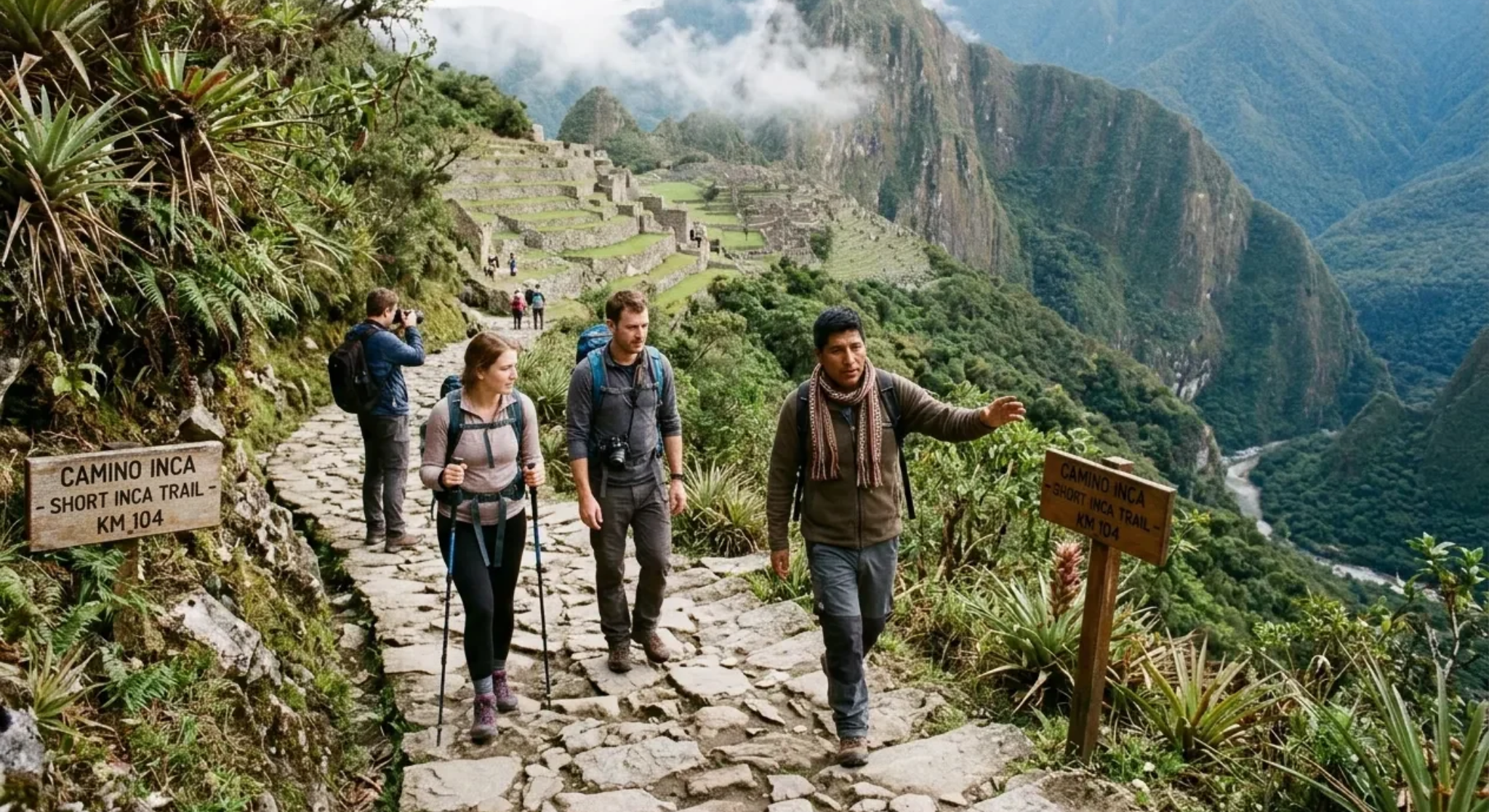
Long before modern GPS navigation, satellite communications, and high-tech outdoor apparel existed, the Inca Empire constructed Qhapaq Ñan, an intricate road network spanning over 30,000 kilometers across the Andes. Among its most celebrated segments is the 44-kilometer (27-mile) mountain corridor leading directly to the citadel of Machu Picchu.
For modern travelers looking to disconnect from digital screens and engage with tangible history, walking this ancient route offers a rare blend of physical challenge, archaeological discovery, and cultural immersion. Examining how dedicated Cusco-based outfitters like Wayki Trek manage the logistics of the Classic Inca Trail 4 days provides a fascinating look at how ancient infrastructure, altitude physiology, and sustainable tourism intersect.
Ancient Inca Engineering in Extreme Terrain
Walking the trail reveals why Inca civil engineering remains an enduring marvel. Rather than carving flat roads that would wash out during torrential Andean rains, Inca builders engineered stone staircases, retaining walls, tunnels, and drainage channels designed to work in harmony with steep mountain topography.
Across four days and three nights of camping, trekkers traverse distinct ecological zones from semi-arid river valleys to high-altitude puna grasslands and lush subtropical cloud forests encountering archaeological complexes accessible only on foot:
- Llactapata: Overlooking the Cusichaca Valley on Day 1, this agricultural and ceremonial site served as an important provisioning station along the route.
- Runkurakay & Sayacmarca: Perched high on rocky spurs during Day 3, these circular watchtowers and labyrinthine stone terraces showcase advanced acoustic and hydraulic design. I
- Phuyupatamarca & Wiñay Wayna: Known respectively as the “Town in the Clouds” and “Forever Young,” these sites feature cascading ceremonial baths fed by natural mountain springs and dramatic agricultural terracing.
Navigating Elevation and Pacing Across Four Days
Unlike short day hikes, the four-day expedition requires careful physiological adaptation and energy management. The route climbs from Kilometer 82 (around 2,650–2,780 meters) up to 4,215 meters (13,828 feet) at Dead Woman’s Pass (Warmiwañusca) before descending toward Machu Picchu at 2,430 meters.
| Trek Stage | Distance & Duration | Max Elevation | Core Focus |
|---|---|---|---|
| Day 1: Km 82 to Wayllabamba | ~12 km (5–7 hours) | 3,000 m (9,842 ft) | Steady warm-up along the Urubamba River and early acclimatization |
| Day 2: Dead Woman’s Pass | ~16 km (8–10 hours) | 4,215 m (13,828 ft) | Steep stone ascent over the highest pass, followed by descent to Pacaymayo |
| Day 3: Cloud Forest & Ruins | ~16 km (7–8 hours) | ~3,900 m (12,795 ft) | Exploring Runkurakay, Sayacmarca, Phuyupatamarca, and Wiñay Wayna |
| Day 4: Sun Gate to Machu Picchu | ~5–7 km (2–3 hours) | 2,745 m (9,005 ft) | Pre-dawn push to Inti Punku (Sun Gate) and guided citadel exploration |
Spending two to three days acclimatizing in Cusco or the Sacred Valley prior to departure allows the body to adjust to lower oxygen levels, turning a grueling climb into an enjoyable, steady rhythm.
Ethical Logistics and Small-Group Dynamics
Executing a multi-day wilderness trek in protected heritage territory requires complex behind-the-scenes coordination. The Peruvian government strictly regulates daily trail permits to prevent overcrowding and preserve fragile stonework.
Equally important is the human infrastructure behind the trek. Local Quechua porters, mountain chefs, and wilderness-certified guides carry camp equipment, purify drinking water, and prepare nutritious high-energy meals at elevation. Ethical operators like Wayki Trek prioritize fair porter wages, strict legal weight limits, proper mountain gear, and small group sizes often capped at six participants for the Classic Inca Trail 4 days. Smaller groups allow guides to tailor pacing to individual hikers while fostering genuine cultural exchange with local mountain communities.
Conclusion
Stepping through the Sun Gate at dawn as morning light illuminates Machu Picchu is a reward earned through preparation, endurance, and teamwork. By combining centuries-old Inca stonecraft with responsible, small-group expedition support from local teams like Wayki Trek, the Classic Inca Trail 4 days remains one of the world’s most meaningful outdoor journeys demonstrating how thoughtful stewardship keeps ancient pathways alive for future generations.
Frequently Asked Questions (FAQs)
How far in advance should I book permits for the Classic Inca Trail 4 days?
Because the Peruvian Ministry of Culture enforces a strict daily permit cap across all multi-day Inca Trail routes, permits regularly sell out months ahead. Especially for peak dry-season dates between May and September. Booking five to six months in advance is strongly recommended.
What is the hardest part of the 4-day trek?
Day 2 is widely regarded as the most physically demanding section. Hikers climb continuous stone staircases to reach Dead Woman’s Pass (Warmiwañusca) at 4,215 meters (13,828 feet) before descending steeply toward the Pacaymayo campsite.
What gear is essential for camping along the Inca Trail?
Key essentials include broken-in waterproof hiking boots, moisture-wicking base layers, a warm down jacket for cold Andean nights, reliable rain gear, a headlamp for early Day 4 starts, trekking poles with rubber tips, and a sleeping bag rated to at least -10°C.
Is the Inca Trail open all year?
No. The entire Inca Trail closes every February for annual trail conservation, structural maintenance, and safety inspections during the peak of the rainy season.